
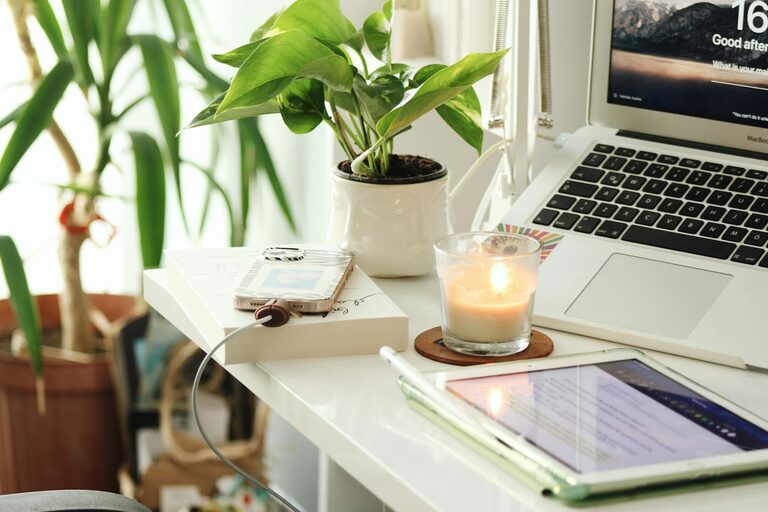
Creating a home office that is both cozy and productive can greatly enhance your work-from-home experience. Whether you have a dedicated room or a small corner in your living space, thoughtful design and organization can make your workspace inviting and efficient. Here are useful tips to help you create the perfect home office.
Choose the Right Location
Finding the ideal spot for your home office is the first step. Consider a quiet area with minimal distractions. If possible, select a space with good natural light, such as near a window, since natural light can improve mood and focus.
Tips for Location Selection:
– Avoid high-traffic zones where family members frequently pass by.
– Choose a space with enough room for your desk, chair, and storage.
– Ensure easy access to power outlets for your electronics.
Invest in Comfortable and Supportive Furniture
Your office furniture affects both your comfort and productivity. A comfortable chair that supports good posture can prevent back pain and fatigue during long work hours.
Essential Furniture Elements:
– Ergonomic chair: Adjustable height and lumbar support is ideal.
– Desk: Choose a desk size that fits your work needs without clutter.
– Storage: Shelves, drawers, or filing cabinets keep your supplies organized and within reach.
Optimize Your Lighting
Good lighting reduces eye strain and keeps you alert. Combine natural light with layered artificial lighting for the best results.
Lighting Suggestions:
– Use a combination of overhead lights and task lighting like desk lamps.
– Consider warm light bulbs to create a cozy atmosphere in the evening.
– Avoid harsh fluorescent lights that can cause glare or discomfort.
Keep Your Space Organized
Clutter can distract you and reduce productivity. Creating an organized environment helps your mind stay clear and focused.
Organizational Tips:
– Use trays or organizers for small office items like pens and paperclips.
– Set up filing systems for paper documents and consider digital storage options.
– Declutter your workspace at the end of each workday.
Add Personal Touches
Adding elements that reflect your personality can make your home office feel welcoming and unique.
Ideas for Personalizing:
– Hang inspirational artwork or photos.
– Decorate with plants to bring a touch of nature indoors.
– Incorporate colors that energize or calm you, depending on your preference.
Manage Noise and Distractions
Managing sound is crucial, especially if you share your living space with others.
Noise Control Strategies:
– Use noise-canceling headphones or white noise machines.
– Add rugs, curtains, or cushions to absorb sound.
– Communicate your work schedule with others to minimize interruptions.
Use Technology Wisely
Equip your office with the technology you need but avoid unnecessary gadgets that can clutter your space.
Tech Tips:
– Ensure reliable internet connectivity.
– Use wireless devices to reduce cable clutter.
– Set up a second monitor if it improves your workflow.
Set Boundaries and Establish Routine
A clear boundary between work and personal life helps maintain productivity.
Routine and Boundary Suggestions:
– Define your work hours and stick to them.
– Create a ‘start work’ ritual, such as making a cup of tea or reviewing your schedule.
– When work is done, physically step away from your home office space.
Incorporate Comfort and Wellness
Your wellbeing is important when working from home.
Comfort Enhancements:
– Use cushions or footrests for added comfort.
– Keep a water bottle or healthy snacks nearby to stay hydrated and energized.
– Take regular breaks to stretch or move around.
—
By following these tips, you can design a home office that supports both productivity and comfort. A well-planned workspace encourages focus, reduces stress, and makes working from home a more enjoyable experience. Remember, the best home office is one that suits your personal needs and preferences, so feel free to adapt these suggestions to what works best for you.