
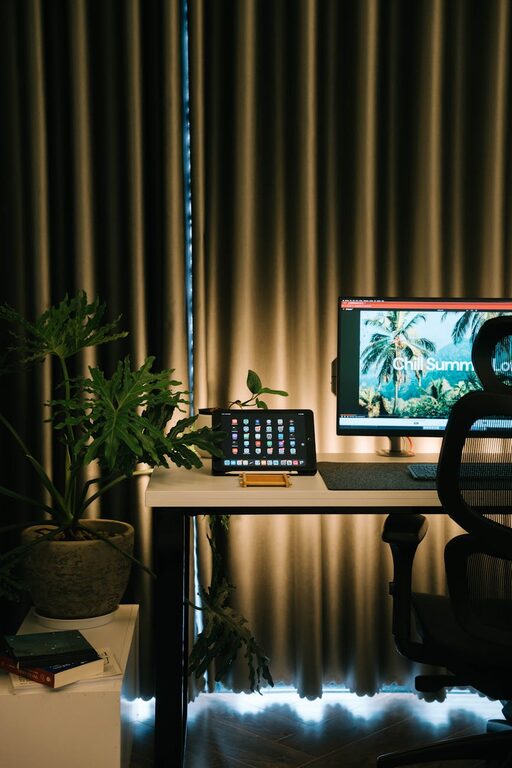
Creating a cozy and productive home office space is essential for anyone who works from home or spends significant time on personal projects. A well-designed workspace not only enhances your comfort but also boosts your focus and efficiency. Whether you have a dedicated room or a small corner to work with, these tips will help you build an inviting environment that inspires productivity.
1. Choose the Right Location
Selecting the ideal spot for your home office is the first step. Consider areas with:
– Natural light: Position your desk near a window if possible. Natural light can improve your mood and reduce eye strain.
– Quiet surroundings: Choose a space away from household traffic or noisy appliances to minimize distractions.
– Sufficient space: Ensure there’s enough room for your desk, chair, and storage to keep everything organized.
If space is limited, a corner desk or a foldable table can work well without compromising comfort.
2. Invest in a Comfortable Chair and Desk
Ergonomics play a crucial role in maintaining your health and productivity:
– Ergonomic chair: Look for adjustable height, lumbar support, and cushioning to prevent back pain.
– Desk height: Your desk should align with your elbows when you’re seated. Adjustable desks or sit-stand options are great if you want flexibility.
– Screen positioning: The top of your computer screen should be at or slightly below eye level to reduce neck strain.
Comfortable furniture discourages fatigue and keeps you focused throughout the day.
3. Use Effective Lighting
Good lighting can reduce eye strain and create a warm, inviting atmosphere:
– Ambient lighting: Use ceiling lights or lamps to provide overall illumination.
– Task lighting: Desk lamps with adjustable brightness help you focus on detailed work without shadows.
– Warm colors: Choose bulbs with warm tones (2700K–3000K) for a cozy feel, or cooler tones for alertness during work hours.
Avoid harsh fluorescent lights where possible, as they can feel sterile and tiring.
4. Personalize Your Workspace
Adding personal touches makes your office more appealing and motivating:
– Decor: Add artwork, photos, or plants that inspire you.
– Color scheme: Soft, neutral colors are calming, while vibrant colors can energize you. Pick colors that suit your work style.
– Organization tools: Use stylish containers, shelves, or bulletin boards that fit your design while keeping clutter at bay.
Personalization helps establish a space you enjoy spending time in and encourages regular use.
5. Keep It Organized and Clutter-Free
A tidy workspace promotes clear thinking and efficient work habits:
– Declutter regularly: Remove items you don’t need to maintain focus.
– Storage solutions: Use drawers, filing cabinets, or desk organizers to store supplies.
– Cable management: Use clips or tubes to keep cords neat and out of sight.
Set aside a few minutes at the end of each day to organize your desk for a fresh start in the morning.
6. Incorporate Technology Thoughtfully
Equip your home office with technology that supports, rather than distracts:
– Reliable internet: A strong Wi-Fi connection or wired Ethernet is key to avoid interruptions.
– Quality peripherals: Invest in a good keyboard, mouse, and headset for comfort and efficiency.
– Minimal devices: Limit gadgets on your desk to essentials to reduce clutter and distractions.
Regular software updates and backups also help keep your work safe and smooth.
7. Maintain a Healthy Environment
Comfort goes hand in hand with health in a home office:
– Ventilation: Open windows or use air purifiers to maintain fresh air.
– Temperature control: Use fans, heaters, or humidifiers to keep the space comfortable year-round.
– Break areas: Consider a nearby spot where you can stretch, rest your eyes, or enjoy a quick break to recharge.
Healthy habits and a comfy environment support long-term productivity.
8. Define Work Hours and Boundaries
Creating a physical workspace also means setting mental boundaries:
– Set a schedule: Define clear working hours to maintain work-life balance.
– Signal boundaries: Use visual cues like closing a door or a “Do Not Disturb” sign if needed.
– Use separate devices: If possible, keep work and personal technology separate.
Respecting your own schedule helps maintain focus during work time and relax after hours.
—
A cozy and productive home office doesn’t require a large investment—thoughtful layout, good lighting, and personalized touches can make all the difference. Start with these tips, and adjust your space as you discover what works best for your style and needs. Happy working!