
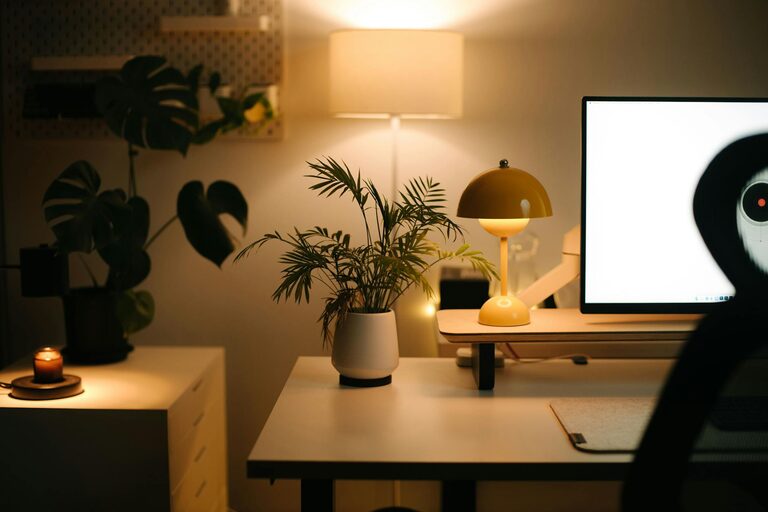
Creating a cozy and inviting home office space can make a significant difference in your workday. Whether you work remotely full-time or occasionally bring tasks home, a comfortable workspace helps you stay focused and reduces stress. In this post, you’ll find practical tips to design a home office that feels welcoming, boosts productivity, and fits your personal style.
Choose the Right Location
Start by selecting a spot in your home that suits your needs. Ideally, pick a quiet area away from distractions like the television or busy hallways. Natural light can make any space feel more open and uplifting, so try to set up near a window if possible.
Consider Space and Privacy
If you share your home with others, look for a place with some privacy. This might be a spare bedroom, a nook in your living room, or even a converted closet. If privacy is limited, use room dividers or curtains to create boundaries.
Invest in Comfortable Furniture
Comfort is key when working long hours. An ergonomic chair and a desk at the right height will prevent aches and help you maintain good posture.
– Ergonomic Chair: Look for adjustable features like height, lumbar support, and armrests.
– Desk: Choose one with enough surface area for your computer, paperwork, and essentials. Standing desks or adjustable desks offer flexibility.
– Additional Seating: A cozy chair or small sofa can offer a break spot within the workspace.
Optimize Lighting
Good lighting reduces eye strain and sets the mood for productivity.
– Natural Light: Arrange your desk to benefit from sunlight without glare on your screen.
– Task Lighting: Use desk lamps with adjustable brightness for focused work.
– Ambient Lighting: Soft overhead or floor lamps create a warm atmosphere, especially during early mornings or evenings.
Personalize Your Space
Adding personal touches makes your office feel inviting and reflects your personality.
– Artwork and Photos: Hang pictures or art that motivate you or bring joy.
– Plants: Indoor plants improve air quality and add a touch of nature.
– Color Scheme: Use colors that calm and inspire you. Soft blues and greens tend to be relaxing, while yellows and oranges can energize.
Keep It Organized
Clutter can be distracting and stressful. A tidy, organized office helps maintain focus.
Organization Tips
– Storage Solutions: Use shelves, drawers, and baskets to keep supplies out of sight.
– Desk Organizers: Trays or containers for pens, papers, and tech accessories keep your desk neat.
– Cable Management: Use clips or covers to prevent tangled cords.
Incorporate Comfort Elements
Small touches can transform a functional space into a cozy retreat.
– Soft Textiles: Cushions, a throw blanket, or a rug add warmth.
– Aromatherapy: Light scented candles or use essential oil diffusers with calming fragrances like lavender or eucalyptus.
– Sound: If silence is hard to find, consider a white noise machine or soft background music.
Technology Setup
Ensure your technology supports your productivity without causing unnecessary frustration.
– Reliable Internet: A strong connection is vital for video calls and online tasks.
– Quality Equipment: Invest in a good monitor, keyboard, mouse, and headphones.
– Cable Tools: Keep cords organized for safety and aesthetics.
Maintain Work-Life Balance
Since your home office is part of your living space, setting boundaries is important.
– Work Hours: Define clear start and end times.
– Dedicated Space: Avoid working from your bed or couch to separate work from relaxation.
– End-of-Day Routine: Clean up your desk to signal the end of work and prepare for the next day.
Final Thoughts
Designing a cozy and inviting home office is about combining comfort, functionality, and personal style. By paying attention to lighting, furniture, organization, and ambiance, you can create a space where you enjoy working and feel motivated every day. Take small steps to tailor your environment, and you’ll soon notice how it positively impacts your productivity and well-being.